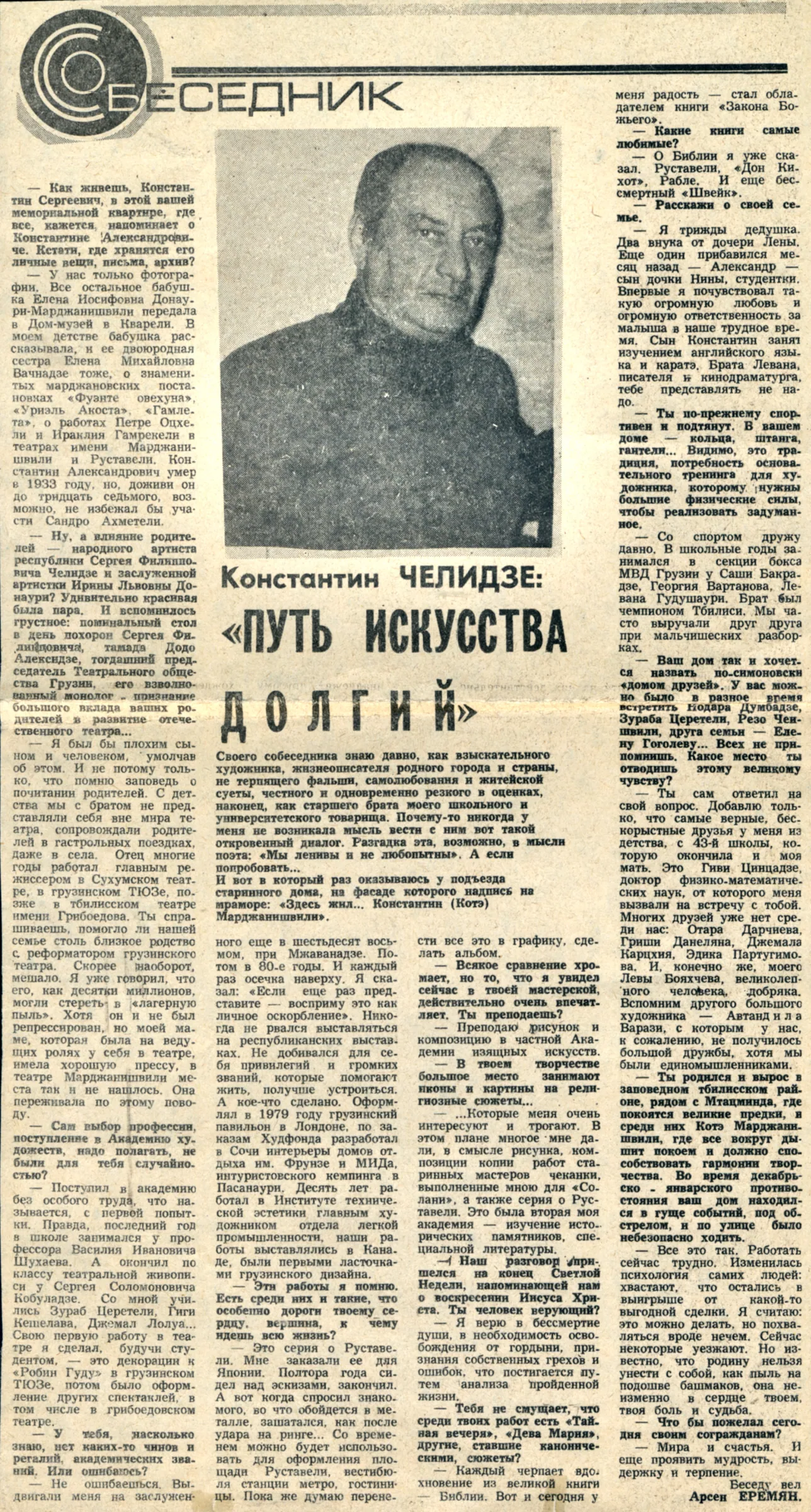
Konstantin
Chelidze
კონსტანტინე ჭელიძე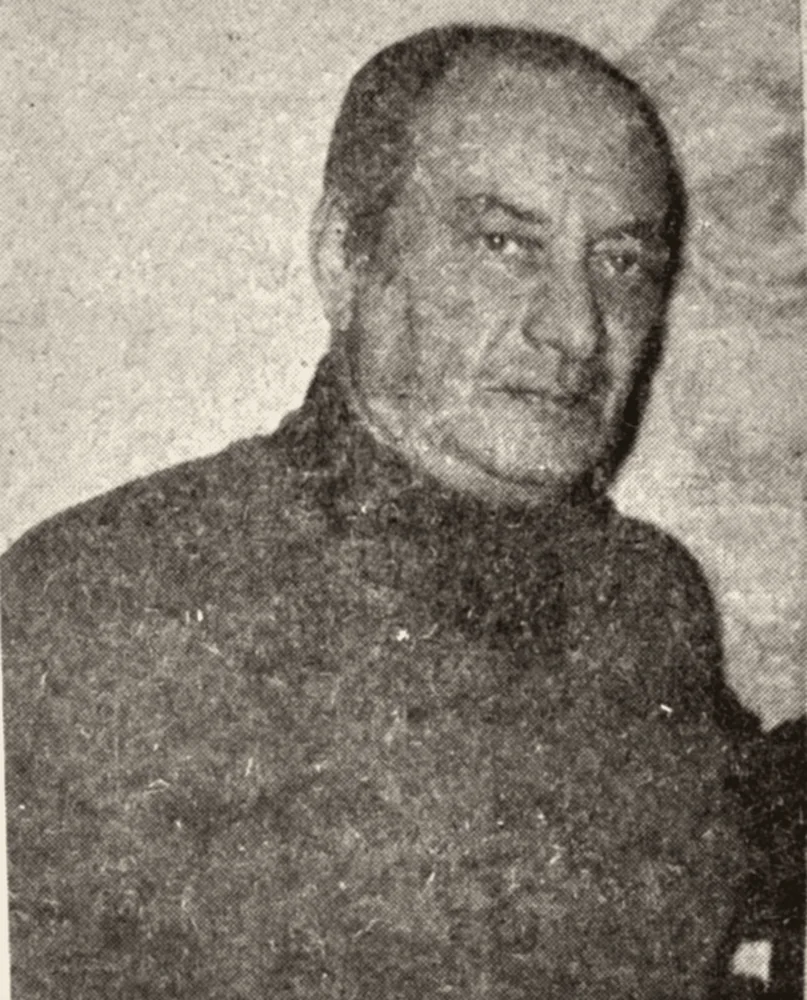
Artist of Tbilisi, teacher, and keeper of an old house full of friends.
The house on the plaque
He lived behind a marble plaque reading “Here lived Konstantin (Kote) Marjanishvili,” in the memorial apartment of the great Georgian theatre director, a relative of his family. His grandmother, Elena Donauri-Marjanishvili, gave most of its contents to the house-museum in Kvareli and passed on the stories of those productions and the designers who worked on them.
Theatre was the family trade. His father, Sergei Chelidze, was a People’s Artist and a chief director; his mother, Irina Donauri, an Honoured Artist. He grew up near Mtatsminda, boxed as a schoolboy, went to School No. 43, and made friends there whom he kept for life. The house became a gathering place for friends including Nodar Dumbadze, Zurab Tsereteli and Rezo Cheishvili.
Training
He won a place at the Academy of Arts at his first attempt, having studied with Professor Vasily Shukhaev in his last year of school, and graduated in theatre painting under Sergei Kobuladze. His classmates included Tsereteli, Gigi Keshelava and Jemal Lolua. His first stage design, made while still a student, was Robin Hood at the Georgian Youth Theatre; others followed, including at the Griboedov Theatre.
A working life
He designed the Georgian pavilion in London in 1979, interiors in Sochi and an Intourist campsite in Pasanauri. For ten years he was chief artist of the light-industry department at the Institute of Technical Aesthetics, where his work, shown in Canada, was among the first Georgian industrial design. Later he taught drawing and composition at a private Academy of Fine Arts.
Asked in 1992, he said he held no official titles and had never chased exhibitions or privileges.
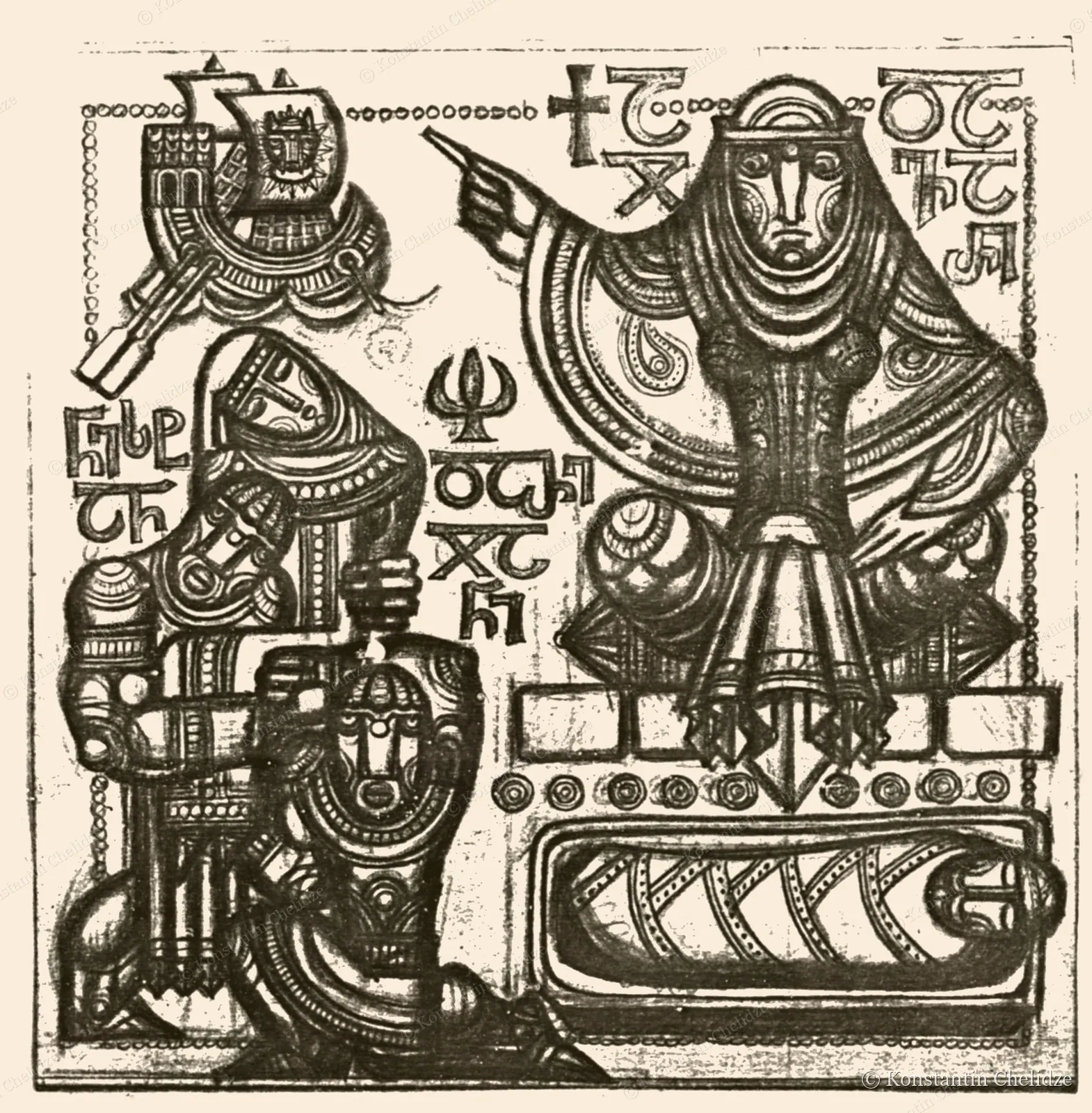
“You cannot carry your homeland away like dust on the soles of your shoes; it stays forever in your heart, your pain and your fate.”
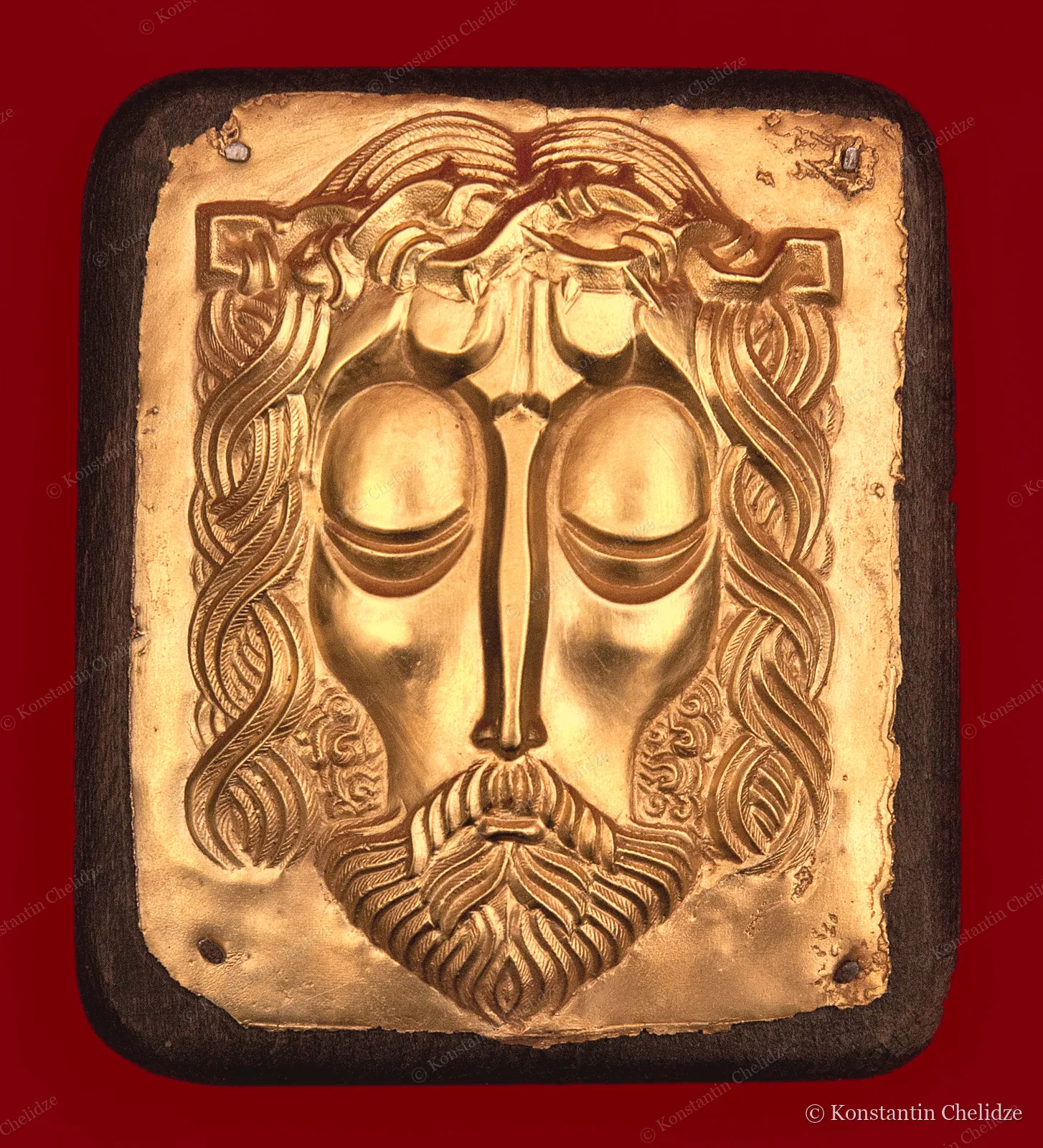
The second academy
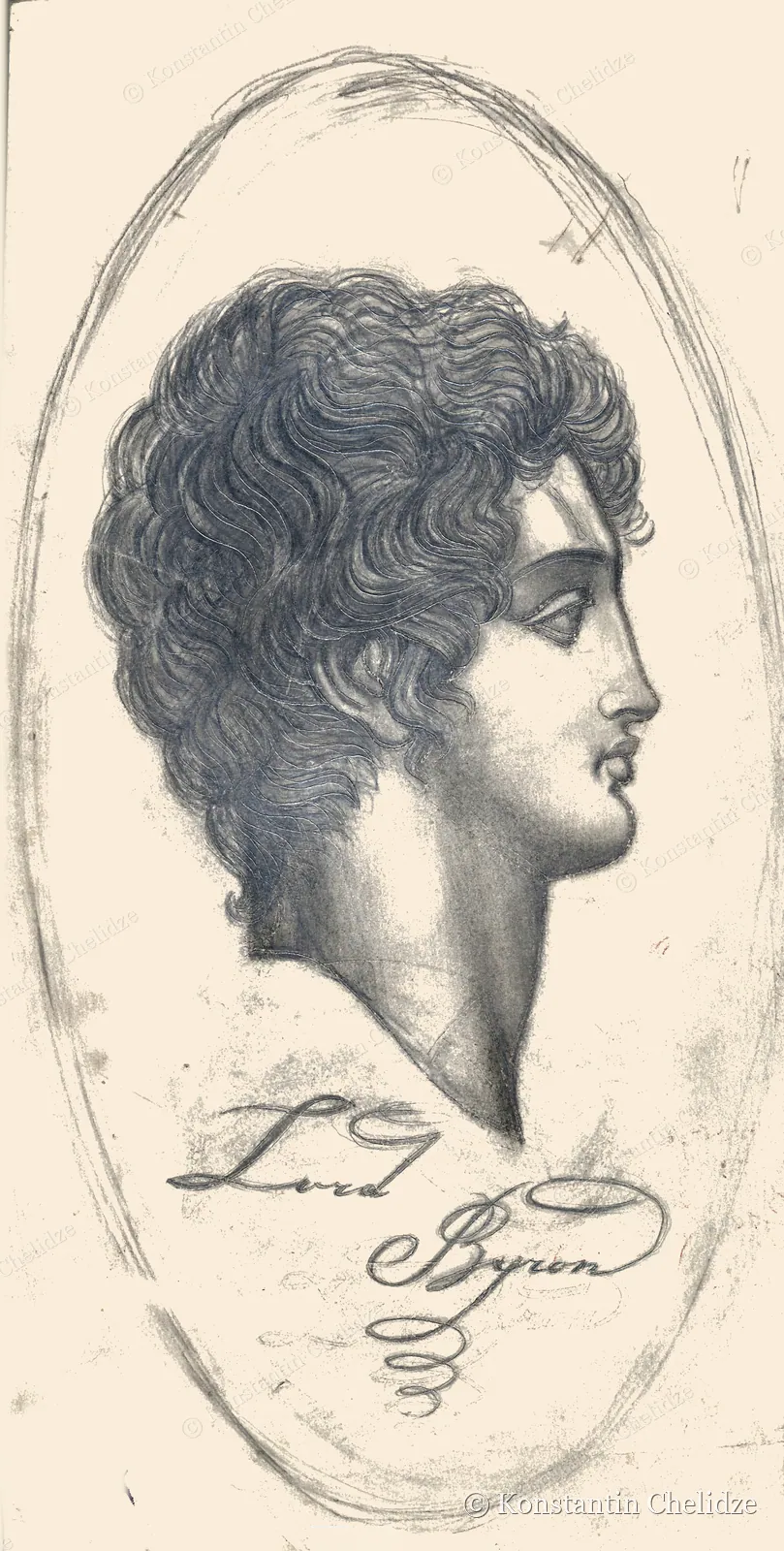
The work he valued most was a series on Shota Rustaveli, commissioned for Japan, which took a year and a half of sketches. Copying the works of old masters of chased metal for “Solani,” together with that series, he called his “second academy”: years spent among historical monuments and specialist books.
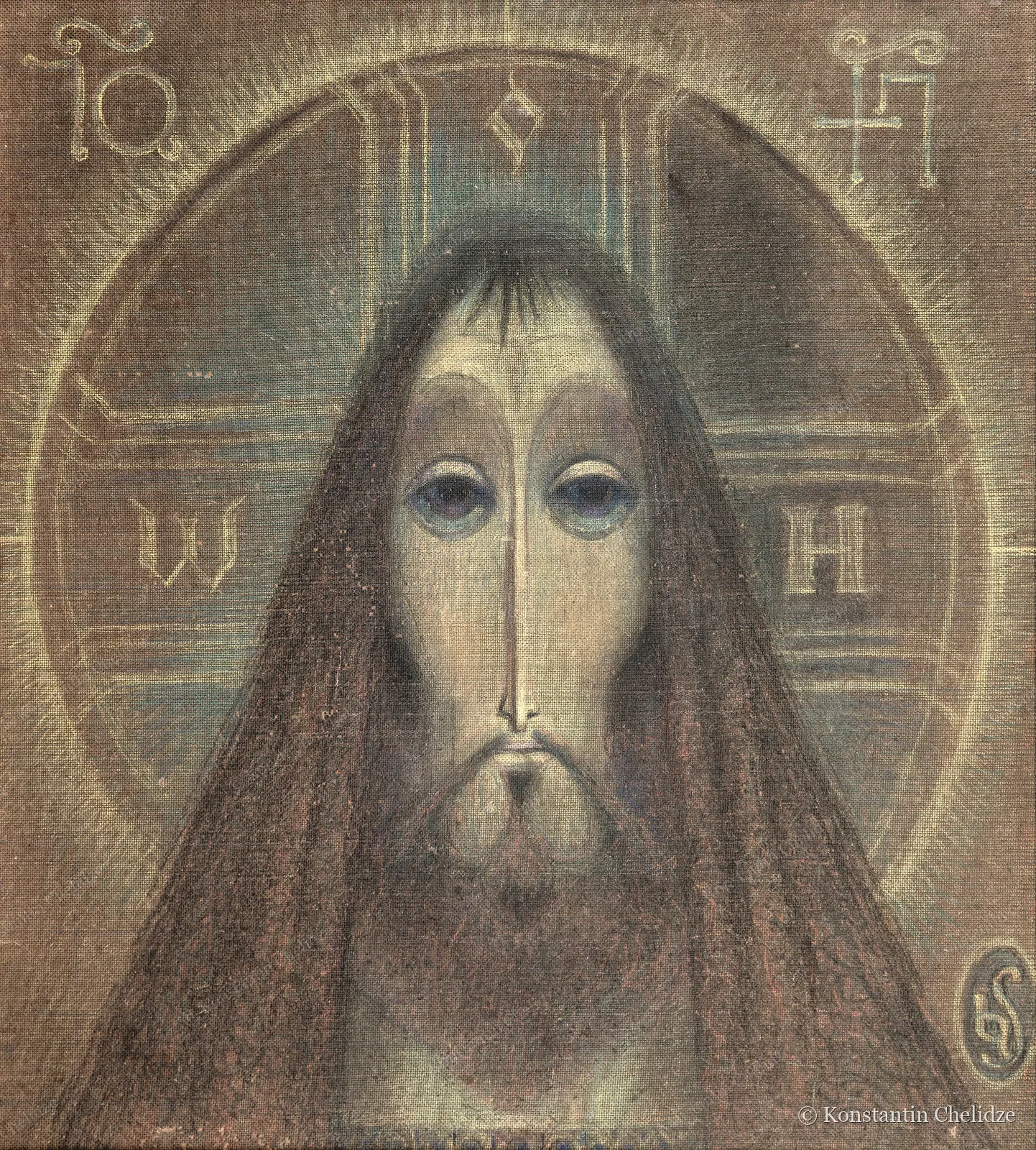
Icons and religious subjects drew him deeply. He spoke of faith as belief in the immortality of the soul and freedom from pride. His favourite books were the Bible, Rustaveli, Don Quixote, Rabelais and The Good Soldier Švejk.
This account draws on “The path of art is long,” an interview by Arsen Eremyan published around 1992. View the original clipping.